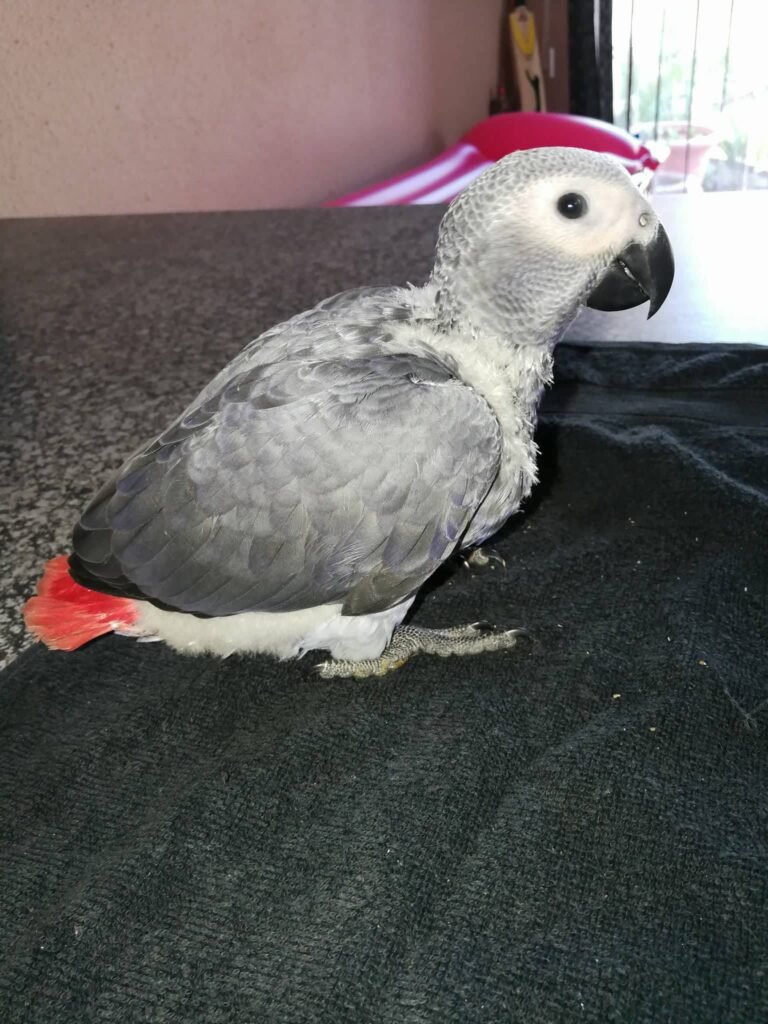
Buy Baby African Grey Parrot Online
AVAILABLEBuy Baby african Grey Parrot Online Name : Henny Age : 4-5 Months old Sex : Female Price :800 DNA Sexed Hand fed Weaned Hand Raised Tamed Vaccinated
- Age:
- 4-5 Months old
- Sex:
- Female
$800.00
Shop category
Explore Congo and Timneh African grey parrots, including baby birds and breeding pairs where listed. Compare each bird’s details and consider the daily attention and mental enrichment these intelligent companions need.
Buy Baby african Grey Parrot Online Name : Henny Age : 4-5 Months old Sex : Female Price :800 DNA Sexed Hand fed Weaned Hand Raised Tamed Vaccinated
$800.00
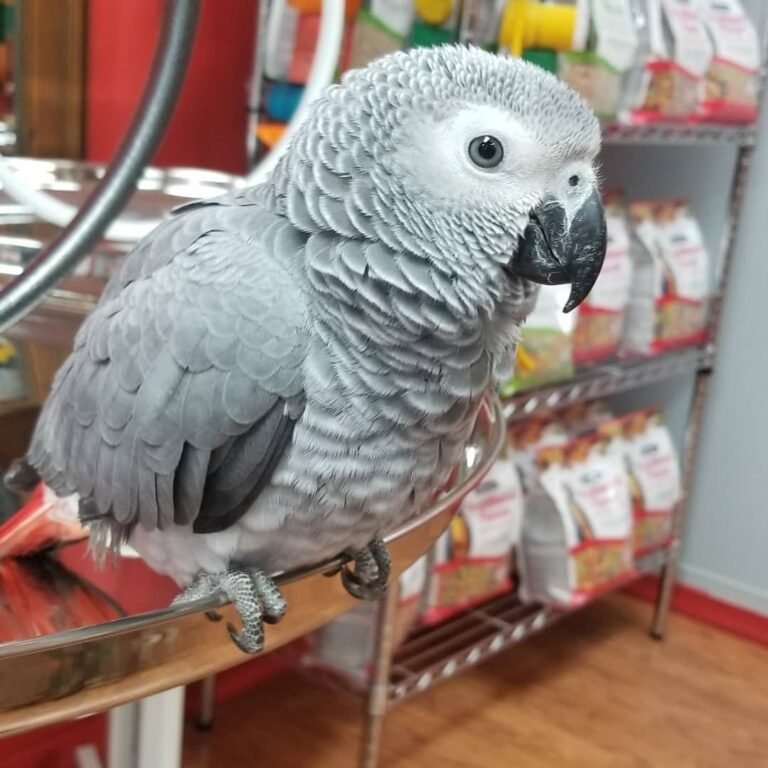
Timneh African Grey Parrot Name : Leo Age : 7-8 Months old Sex : Male Price :950 DNA Sexed Hand fed Weaned Hand Raised Tamed Vaccinated
$950.00
Name : Jeani Age : 9Months old Sex : Female Price :1300 DNA Sexed Hand fed Weaned Hand Raised Tamed Vaccinated
$1,300.00
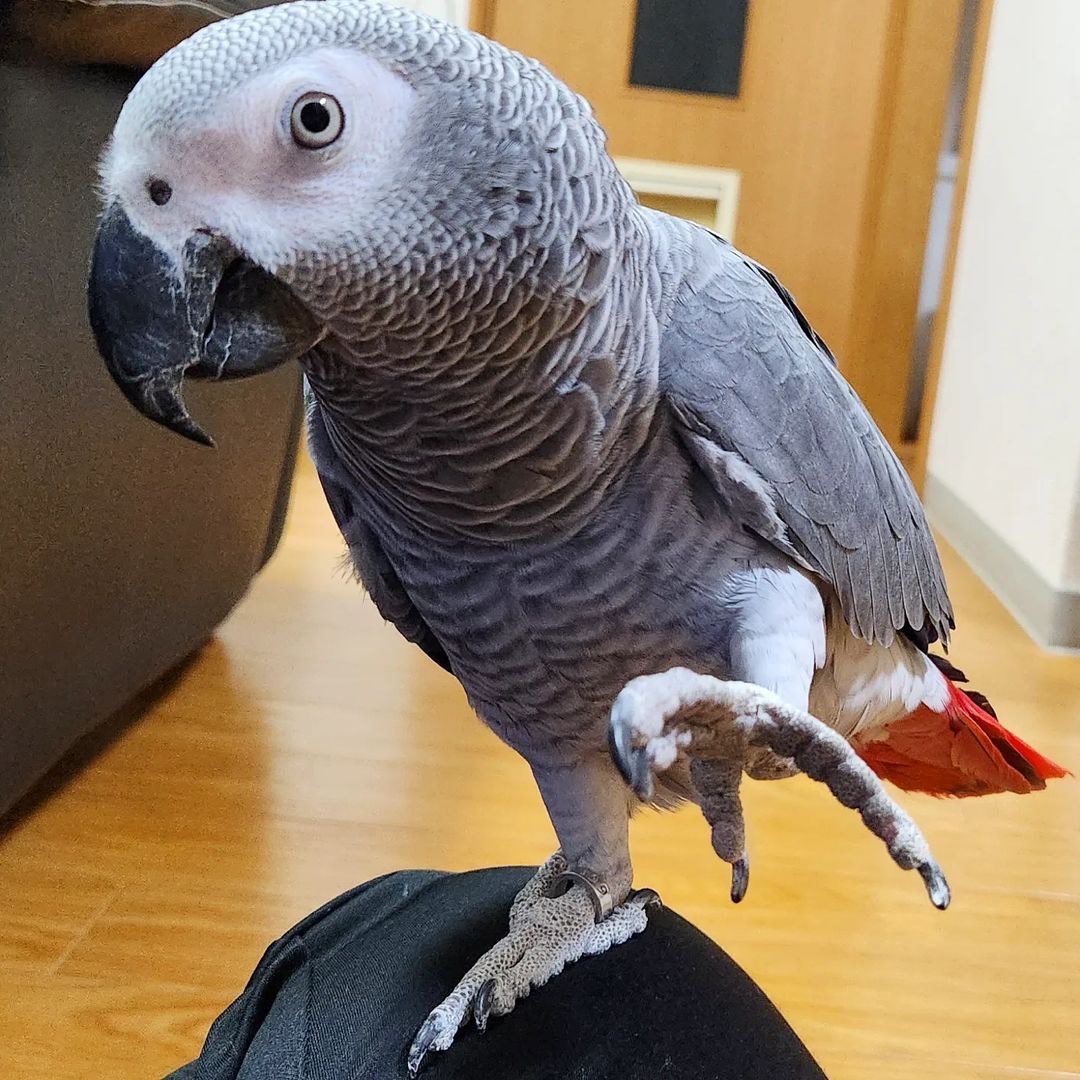
NAME: Cory GENDER: Male Breed: African Grey AGE: 9 Months Old Registration: Yes Status: Available!!!
$3,400.00$2,600.00
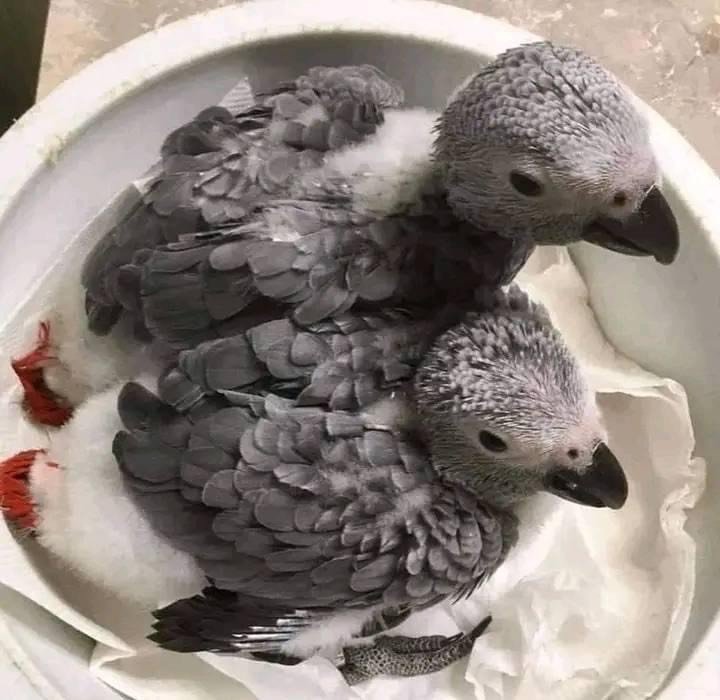
Name: Lulu & Kuku Sex: Bonded Male & Female Age: 3 Months Old DNA Tested: Yes Breed: Congo African Grey Price: £2500
$4,500.00$2,500.00
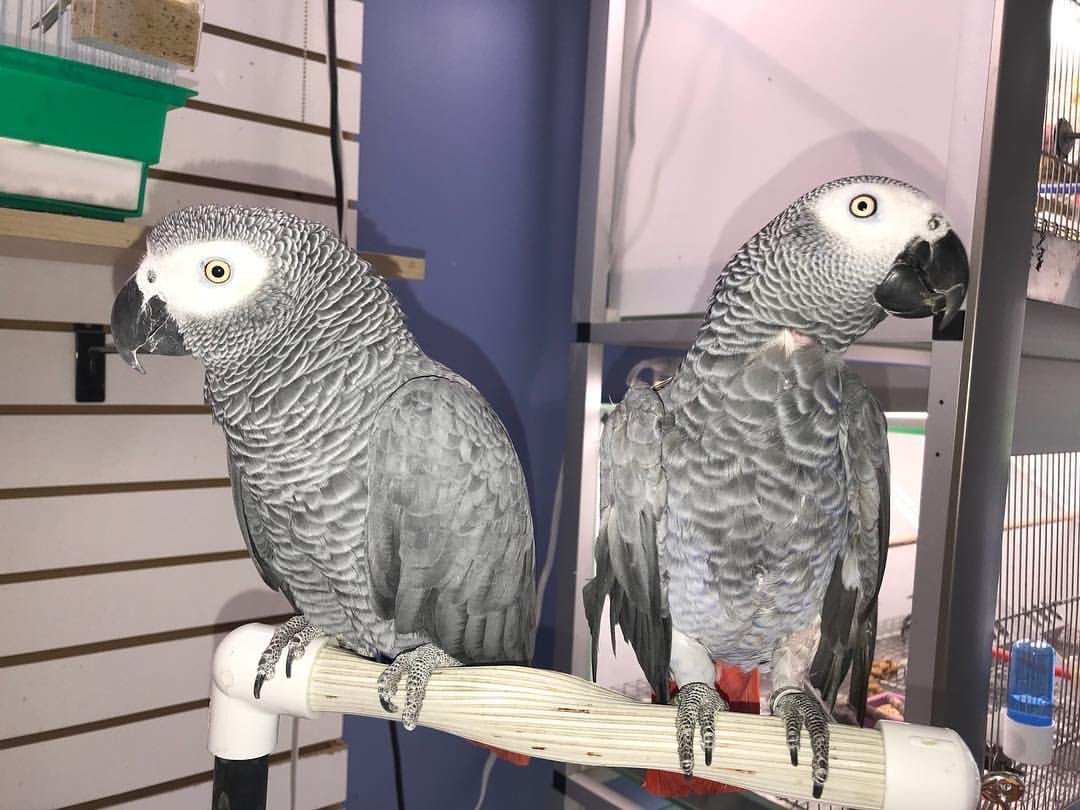
Name: Nina & Tyler Sex: Bonded Male & Female Age: 1 Year 9 Months Old DNA Tested: Yes Breed: Congo African Grey Price: £3800
$4,700.00$3,800.00
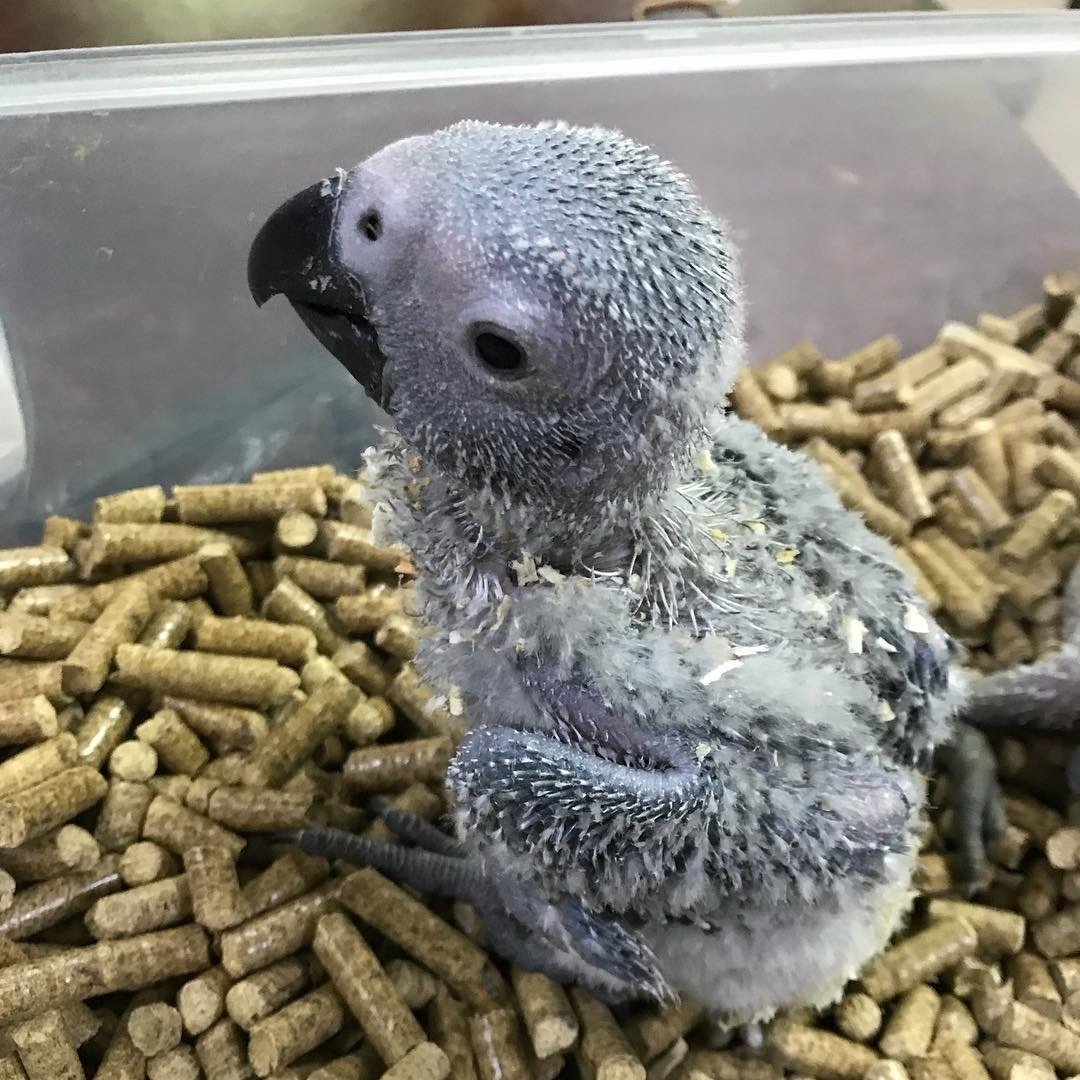
Name: Rosie Sex: Female Age: 3 Months Old DNA Tested: Yes Breed: Congo African Grey Price: £1100
$2,100.00$1,100.00
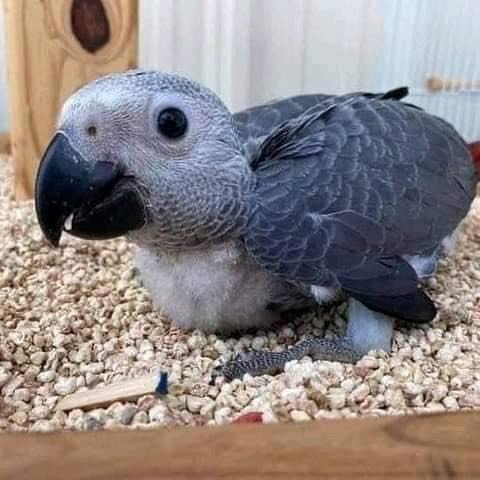
Name: Sperry Sex: Male Age: 5 Months Old DNA Tested: Yes Breed: Congo African Grey Price: £1800
$2,900.00$1,800.00
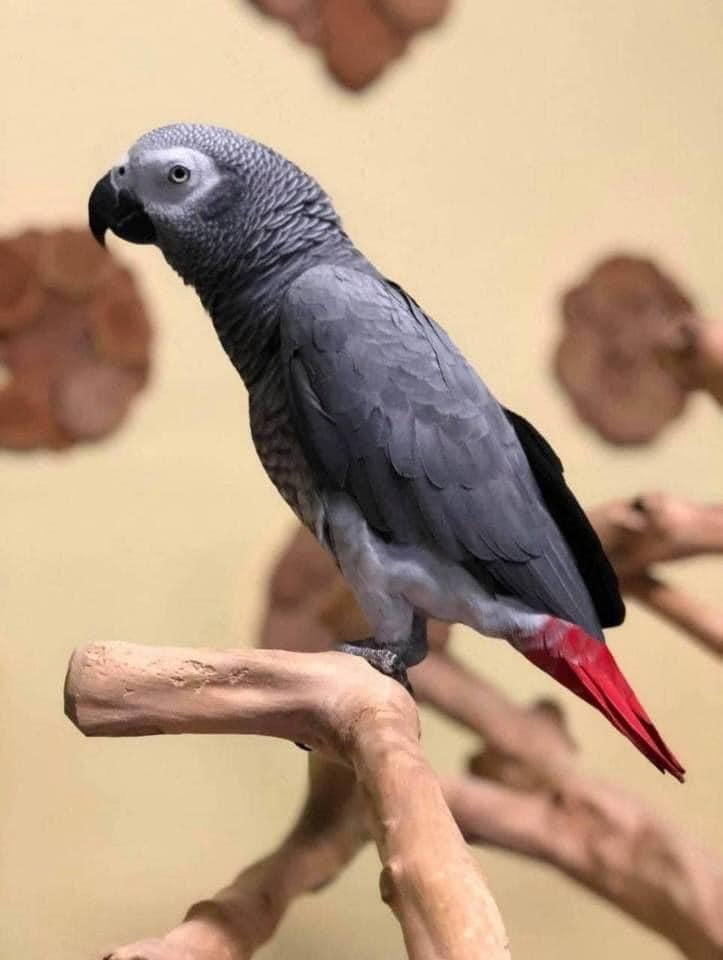
Name: Sunny Sex: Male Age: 8 Months Old DNA Tested: Yes Breed: Congo African Grey Price: £1600
$2,500.00$1,600.00
Two forms are commonly kept: the Congo African Grey, a larger bird with a bright red tail, and the Timneh African Grey, a slightly smaller bird with a maroon tail and darker upper mandible. Both are native to the forests of central and western Africa and are listed under international wildlife protection agreements, so legal paperwork matters as much as husbandry when a bird changes hands.
People choose Greys for their reasoning ability and their remarkably clear speech. A well-supported Grey learns to associate words with context, solves foraging puzzles, and becomes an engaged member of daily household life. That same intelligence is the reason they struggle in under-stimulating homes.
Greys tend to be observant rather than exuberant. They often bond closely with one or two people while remaining reserved with strangers, and they notice changes in furniture, routine and tone of voice. Gentle, predictable handling produces far better long-term results than pressure.
A base of a quality formulated pellet, supplemented daily with fresh vegetables, leafy greens, limited fruit, cooked pulses and sprouted seed, suits most Greys. This species is prone to calcium and vitamin A shortfalls on a seed-only diet, so variety and veterinary monitoring matter.
Aim for a cage no smaller than 90 x 60 x 120 cm with horizontal bars for climbing, plus a separate play stand. Position the cage against a wall in a busy but not chaotic room, away from kitchen fumes, aerosols and direct draughts.
Short daily sessions of target training and step-up practice build trust quickly. Introduce new people, carriers, towels and nail care gradually and pair each with a reward so routine handling never becomes a battle.
Book an avian veterinarian for a baseline examination shortly after arrival, and then annually. Watch for feather-destructive behaviour, respiratory noise, changes in droppings and weight loss, and keep a small kitchen scale for weekly weigh-ins.
Consider your daily availability, tolerance for noise, household allergies and how long you can commit — many Greys live 40 years or more. Our team will happily steer you towards a different species if a Grey is not the right fit.